Azərbaycanda avtomobil icarəsi: necə seçmək və sifariş etmək
Renting a car in Azerbaijan can simplify travel for both visitors and residents. The provider referenced on the source site offers a range of vehicle classes and emphasizes transparent terms, comfortable rental and reliable service. This article explains how to select the right vehicle, how to make a booking online, and practical considerations to keep in mind when driving in and around Baku.
How to choose the right vehicle
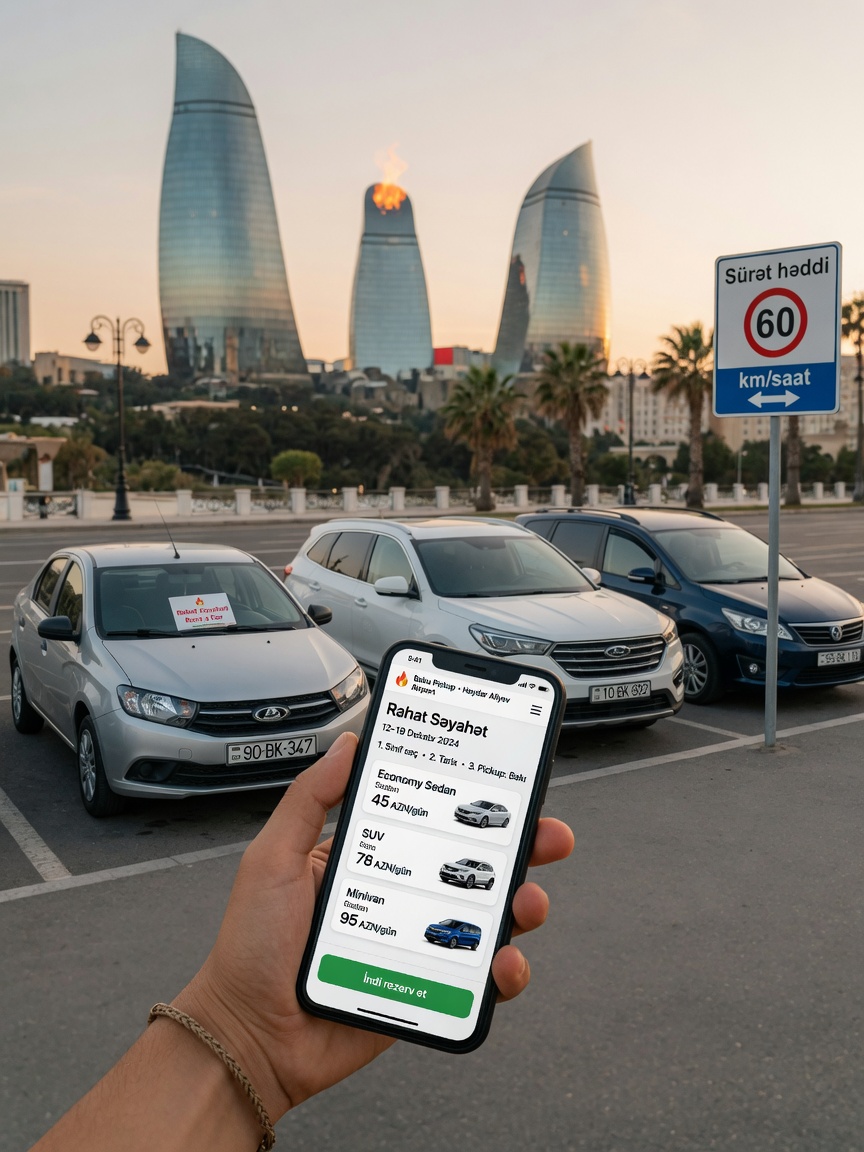
Start by defining the purpose of your trip and the number of passengers. For city driving and short trips an economy car is usually the most economical and easy to park, while medium class vehicles offer more space for luggage and longer drives.
Business class cars provide a higher level of comfort and a more formal image for corporate travel. SUVs are suitable when you need extra cargo capacity or prefer a higher driving position. The site referenced lists economy, medium, business and SUV options, which helps narrow choices according to needs.
Consider fuel type and transmission when making a selection. If you expect to drive mainly in Baku, fuel efficiency and compact dimensions may be priorities. For intercity travel or family trips prioritize space and luggage capacity. Also check the rental terms for included mileage and any restrictions on cross-border travel, where applicable.
How to book: clear steps and site navigation
Use the rental provider’s website to compare available categories and verify conditions. The source site structure includes sections for cars, rental rules, blog and contact information, which can help you find details on vehicle classes and terms.
When reviewing offers, look for transparent rental terms. Key items to confirm are insurance coverage, required documents, fuel policy and any security deposit. The presence of a dedicated rental rules page on the source site suggests that these details are available for prospective renters to review before confirming a reservation.
Language options and clear navigation can simplify booking. The referenced site provides multiple language versions, which can help non-local users understand terms and choose the appropriate vehicle class. Use the contact section if you need clarification about specific conditions or additional services such as transfers.
Practical considerations for pickup, transfers and driving
Plan your pickup location based on your arrival point. If you arrive by plane, check whether the rental provider offers airport pickup or transfer options. For city arrivals, choose a convenient downtown pickup to save time. Always verify opening hours at the pickup location to avoid wait times.
Before driving, inspect the vehicle and document any preexisting damage. Note how the provider describes condition checks and return procedures in their rental rules. Keep copies of insurance documents and the rental agreement in the car during use.
Driving in and around Baku may involve varied road conditions and traffic patterns. Allow extra time for travel during peak hours and familiarize yourself with local signage and parking rules. If you plan organized excursions or longer routes, ensure the selected vehicle class provides the required comfort and luggage space.
Additional tips for a smooth rental experience
Compare vehicle classes not only by headline price but by what is included. Transparent terms reduce surprises at pickup and return. Reliable service and clear communication from the provider make handling any issues more straightforward.
Check the provider’s blog and informational pages for local travel advice. Those resources can offer suggestions on routes and practical aspects of travel in Azerbaijan. Use the contact information on the site if any details remain unclear before you finalize a reservation.
Conclusion
Choosing and booking a rental car in Azerbaijan is easier when you match vehicle class to trip needs and review the provider’s rental terms carefully. The referenced site offers economy, medium, business and SUV options along with pages for rental rules and contact information, which help clarify conditions. By planning pickup logistics, inspecting the vehicle and confirming insurance and fuel policies you can reduce potential issues and focus on travel.