Səyahət büdcəsi: avtomobil icarəsi və gündəlik xərcləri planlamaq
Planning a travel budget requires clear separation between vehicle rental costs and daily operational expenses. For business trips and organised travel, guidance from official sources helps structure what to include in per diem calculations. The tax authority notes that a 1-day norm covers daily allowance, hotel, communication, local transport and other related services.
Understanding official per diem components
The official guidance referenced on the tax authority site lists the components included in a single day norm. These components explicitly include daily allowance, hotel costs, communication expenses, local transport and other services. Using this list as a baseline ensures that planning aligns with recognised categories for reimbursement or internal accounting.
When preparing budgets for travel in Azerbaijan, treating the per diem as a composite figure helps separate reimbursable items from direct operational costs. The per diem typically covers costs incurred for daily subsistence and basic services, while vehicle-specific costs remain a distinct category.
Estimating car rental and related vehicle costs
Car rental budgeting should begin with the base rental rate quoted by providers. Beyond the base fee, plan for fuel, insurance or insurance supplements, parking, tolls and any additional equipment rentals. Breaking these items into predictable line items makes it easier to compare offers and forecast total trip costs.
Fuel consumption depends on itinerary and vehicle type, so list planned distances and driving conditions when estimating fuel needs. Insurance considerations vary by provider and booking terms; include collision damage waiver or liability supplements if the policy does not fully cover the chosen route or intended use.
Parking and tolls are often overlooked but can be material in urban or airport locations. If the itinerary includes frequent short trips within a city, compare daily parking rates and paid zone rules against the cost of occasional taxi or public transport to ensure the most efficient allocation of the travel budget.
Reconciling vehicle costs with per diem items
Per the official guidance, daily allowances and hotel bills form separate parts of the day norm. When a rented car is used, distinguish between costs that fall under the day norm and those that are vehicle-specific. For example, hotel and communication costs are commonly included in the per diem, while fuel and rental insurance are typically accounted for as transport expenses.
Document receipts and invoices carefully to map each expense to the correct category. Clear records simplify internal reconciliation and align reporting with established per diem definitions. This separation also supports transparent accounting when multiple travellers or departments are involved.
Practical budgeting steps for travel organisers
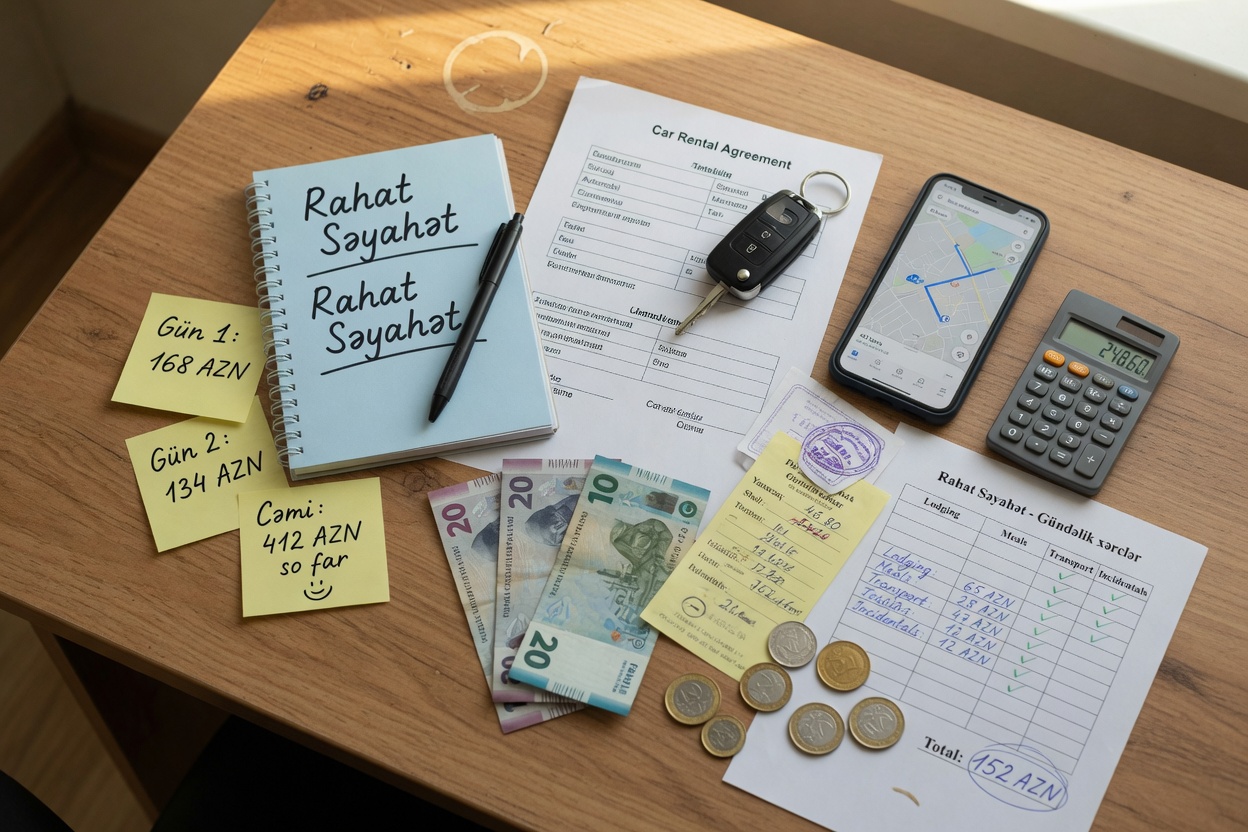
Create a simple budget template that lists per diem components separately from transport costs. Include fields for base rental rate, estimated fuel, insurance supplements, parking and tolls, plus per diem elements such as hotel, communication and local transport. A structured template reduces ambiguity when comparing quotes and preparing approvals.
Allow for a contingency buffer to cover unexpected expenses or itinerary changes. Track actual expenditures against the budget during the trip to refine estimates for future travel. Regular review of patterns will improve accuracy and help set appropriate per diem levels for different destinations and travel types.
When travel involves official reimbursement, ensure that internal policies reflect the same component breakdowns cited by the tax authority. Consistency between policy and official guidance minimises disputes and eases the administrative burden of processing travel claims.
Conclusion
Effective travel budgeting separates the vehicle rental and operational transport costs from the day norm items such as hotel, communication and local transport. Using the official component list as a reference point helps structure estimates and documentation. By preparing a clear template, capturing receipts, and maintaining a contingency, travel organisers can keep costs under control and align reporting with recognised per diem categories.